
Drones (UAVs)
High-volume carbon fiber drone parts.
We manufacture carbon composite structures for drones at volume: arms, propellers, prop guards, brackets, rails and tie rods, each molded as one piece. Stronger parts. Less weight. Less assembly.
Made in the U.S.A. or Taiwan. No China-sourced material.
Carbon fiber drone parts we manufacture at volume
Eight part families, plus parts designed from scratch, molded as single pieces with the mounting features already in them. Production runs from thousands to hundreds of thousands a month.

Arms & motor mounts
Arm and motor mount as one molded part. Drop-in for cut-laminate arms: same bolt pattern, stiffness-matched.
2 → 1 parts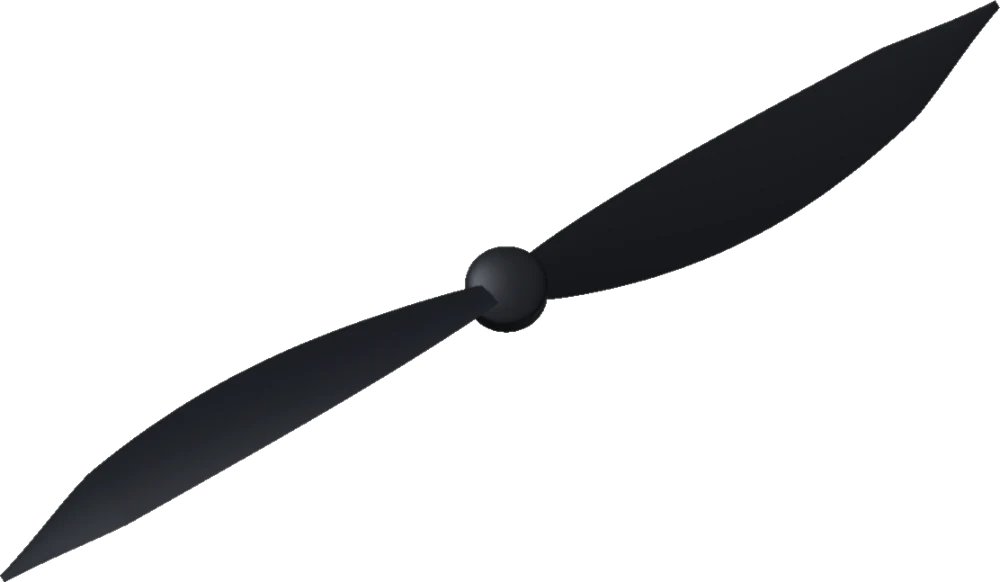
Propellers
Molded carbon fiber props, matched to the arm and guard so the rotor set comes from one source.
Matched to the arm and guard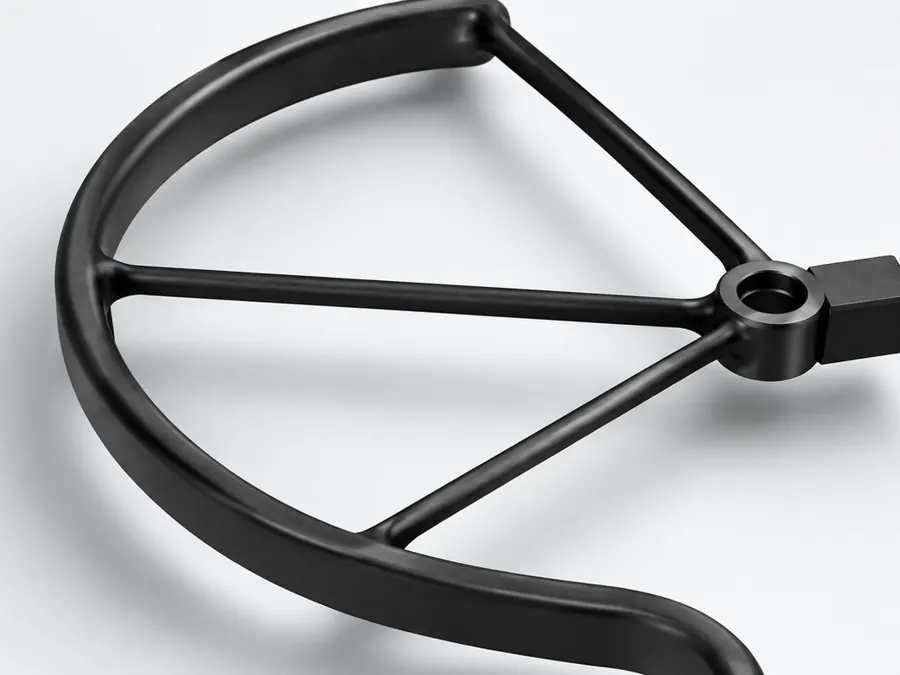
Prop guards
One molded part per side replacing a multi-piece assembly. In rate production for a U.S. drone maker.
18 → 1 parts · 40% lighter*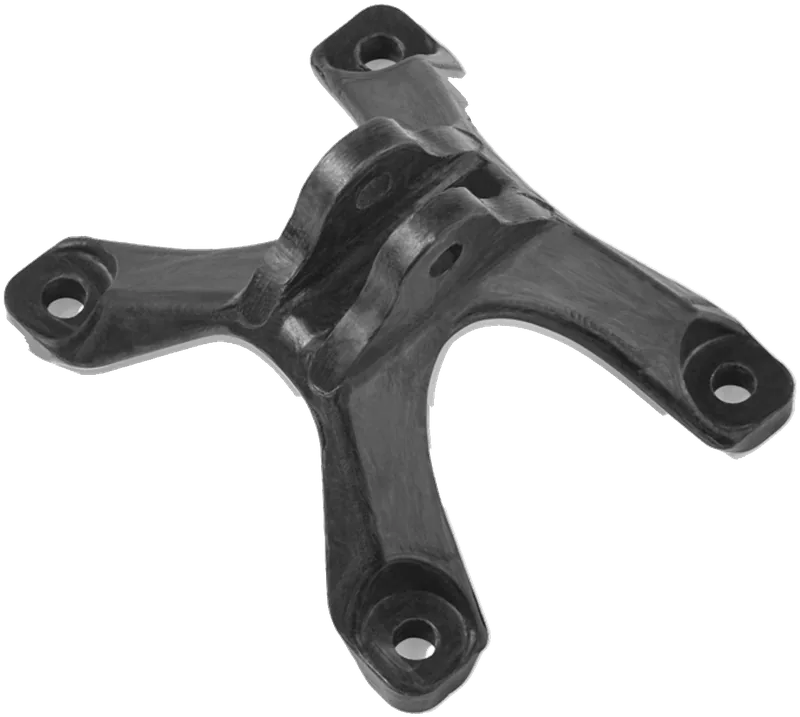
Brackets
Bosses and threaded inserts molded in. Replaces machined aluminum or printed titanium with no secondary machining.
79% lighter than printed titanium†Bracket white paper →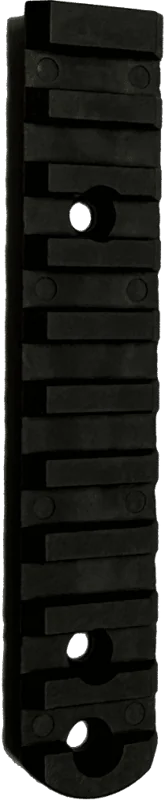
Rails
Picatinny and accessory rails molded as one piece, or molded straight into an arm or body.
49% lighter than machined aluminumHenry Repeating Arms partnership →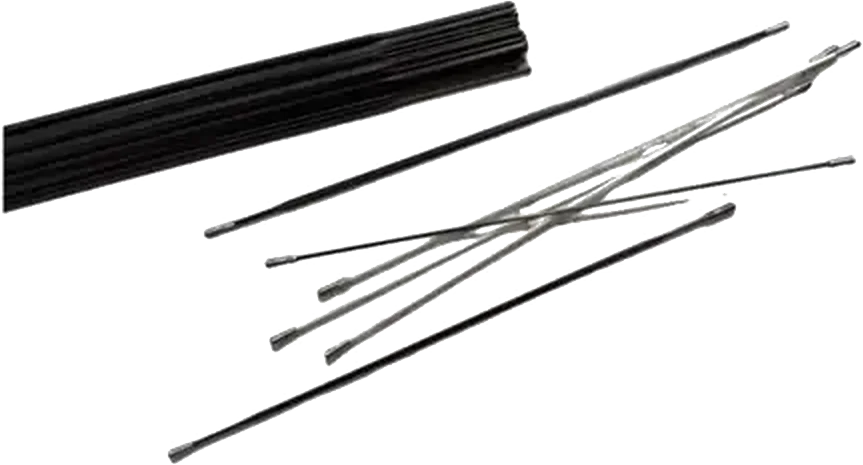
Tie rods & struts
Continuous-fiber rods with the end fittings molded on. Bracing and landing-gear struts for fixed-wing and VTOL aircraft.
1,000,000+ produced and holding tension today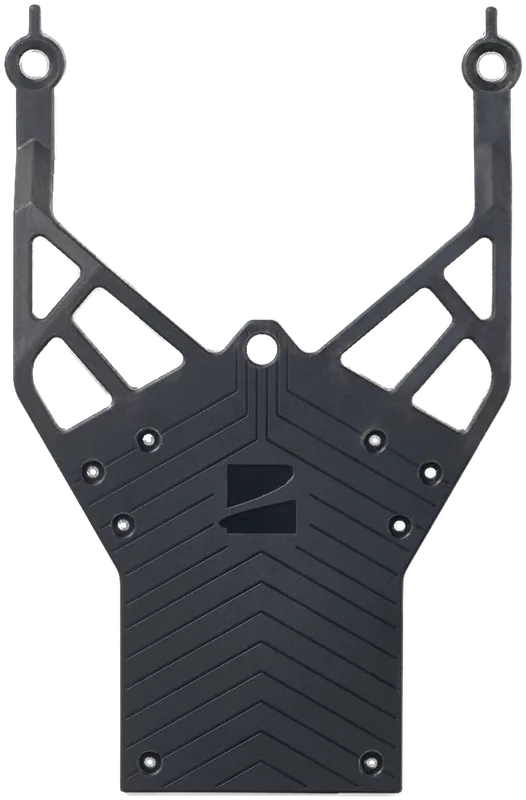
Airframes & chassis
The main structure as one molded piece, with arm roots, mounts and bosses already in it. Fewer fasteners, fewer places to loosen.
17 → 1 parts on a drone airframe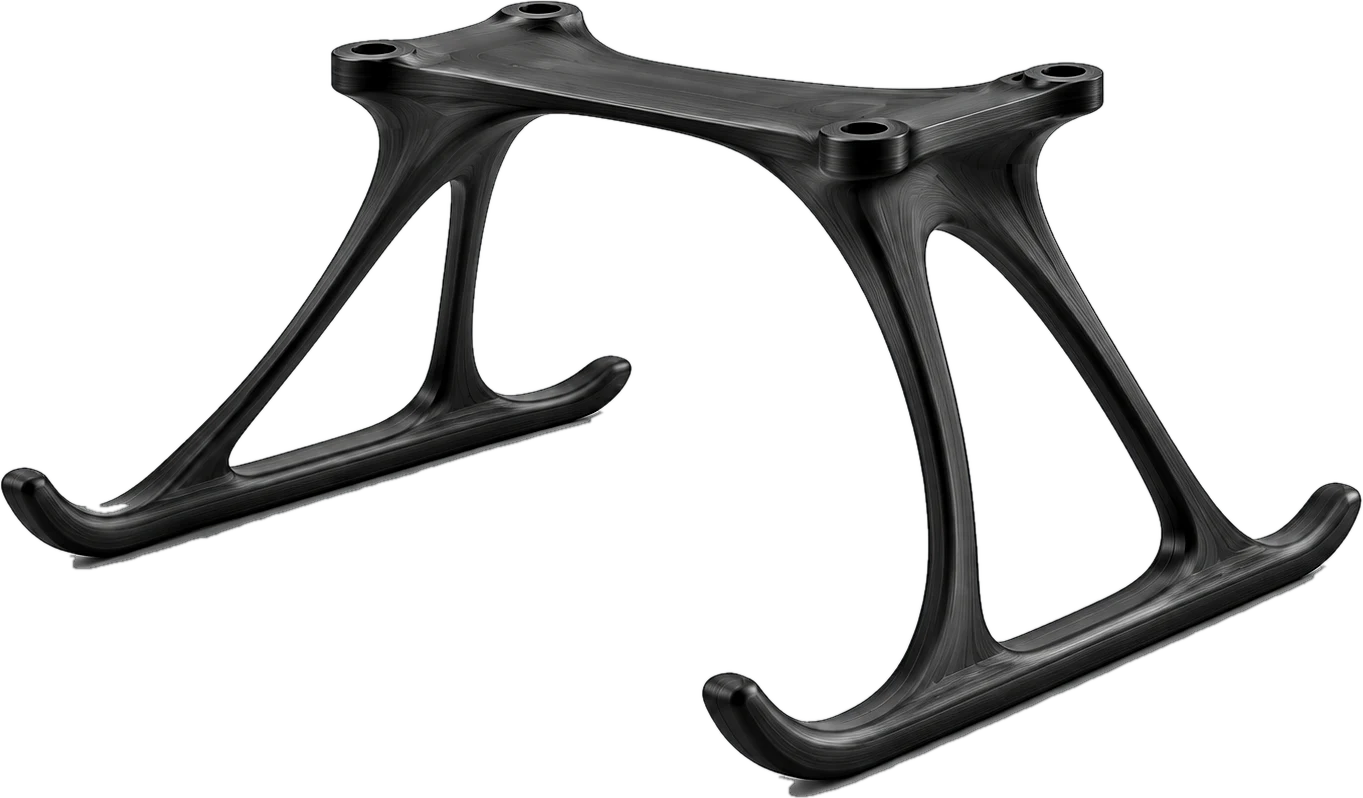
Landing gear
Skids and legs molded as one piece, mounting bosses in. Impact-tolerant thermoplastic matrix; no bonded tube-and-fitting assembly to fail.
Legs, skids and feet → 1 partCustom design
No existing part yet? Send the envelope, loads and interfaces. We engineer the part from scratch, place fiber for the load path, and tool it for your volume.
Concept → first articles → productionARRIS parts vs. what you're flying today
Most drone structures are cut from flat carbon laminate or machined from aluminum. Here is what changes when the part is molded instead.
| Cut carbon laminate | Machined aluminum | ARRIS molded part | |
|---|---|---|---|
| Shape | Flat, 2D. Features bolted or bonded on. | Any shape, but every feature is machining time. | Full 3D. Mounts, bosses and rails molded into the part. |
| Part count | Plates, standoffs, mounts assembled by hand. | Usually one piece, heavy. | One piece. 17 assembled parts became one molded airframe. |
| Tolerance | ±0.3 mm typical; parts get binned at assembly. | Tight, at a price. | ±0.1 mm as-molded. No binning, no scrap at your line. |
| Weight | Light. | About 2× the weight at the same stiffness. | Lightest. Half the weight of aluminum at the same stiffness, 5× the strength.‡ |
| Vibration | Epoxy laminate transmits rotor vibration. | Rings. | Damps it. Thermoplastic matrix, stiffness tuned away from rotor frequency. |
| Origin | Mostly China-sourced fiber and laminate. | Varies. | U.S.A. or Taiwan. No China-sourced material. |
| Price at volume | Low, if it comes from China. 8–10× higher cut domestically. | High. | Price-competitive with Chinese cut laminate.* |
Engineered to damp vibration and resonance
The problem
Every motor and rotor on a drone creates vibration. When a part's natural frequency matches that vibration, it resonates and amplifies, adding noise to the flight controls, blurring camera and sensor footage, and fatiguing the airframe over time.
Tuned stiffness
By controlling how the carbon fiber is placed, we tune a part's stiffness to move its natural frequency away from the rotor's, without adding weight.
Damping material
Our thermoplastic material damps vibration better than traditional epoxy composites, while being tougher and more impact-resistant.
Proven in high-volume production
Single-piece prop guards shipping monthly today, a consolidated airframe that showed what one molded part can replace, and a U.S. Air Force contract for high-rate composite manufacturing.
Prop guard
Rate production
Single-piece prop guards in rate production for a U.S. small-drone maker, shipping monthly.
Airframe
One molded airframe
A drone airframe we consolidated from 17 individually assembled parts into a single molded structure, cutting weight, assembly steps and supplier count.
U.S. Air Force
High-rate composite manufacturing
Under contract to advance high-rate thermoplastic composite manufacturing for Air Force platforms, including next-generation aircraft and UAVs.
U.S. procurement
Know where your drone parts come from
Federal buyers now check where the parts come from, not just where the drone is assembled. Four rules that shape the supply chain. Full timeline, 2019–2028, with the FCC list, the tariffs and the Drone Dominance dates →
ARRIS manufacturing
ARRIS molds composite parts in Berkeley, California and Taoyuan, Taiwan. Both outside China.
Need U.S. production for your program? Ask.
Building for a defense program? We also make brackets, rails and tie rods for aircraft. Aerospace & defense composite parts →
Section 848
Law · FY2020 NDAA
Bars the Pentagon from buying or flying drones made in China and other covered countries, or built with their electronics and software.
Read the law →FAR 52.240-1
Federal contract clause · in force
Federal contractors can’t supply or operate drones from listed foreign entities. Since Dec. 22, 2025, that includes federally funded purchases. Flows down to subcontractors.
Read the clause →Section 847
Proposed · FY2027 Senate NDAA
Would add batteries, motors, speed controllers and other electronics. A year later, their subcomponents and raw materials.
Read the proposal →EO 14307
Executive order · June 2025
Tells federal agencies to put U.S.-made drones first, where the law allows.
Read the order →Requirements vary by agency, contract and component. Proposed legislation may change. Last reviewed October 2026.
Have a part in mind?
Send us the drawing or the part you're buying today. An ARRIS engineer reviews it and comes back with what we'd hold, what we'd change, and what it would weigh.