Drone & Defense

Next generation of high-performance UAVs — manufactured in the U.S. at cost parity with Chinese CF laminates.

1
Cost-competitive with Chinese carbon fiber laminates — domestic supply without the price premium
2
Highest-performance materials and structures
3
Hardware-electronics integration enabling the greatest range and capabilities

The Way It Is Now

Two structural problems hold the industry back. First, composites have not been used to their full potential — cut laminates have left significant performance and weight savings on the table. Second, U.S. and allied drone programs have historically faced a hard tradeoff: source low-cost carbon fiber laminates from China and accept the supply-chain and ITAR risk, or pay a steep premium for domestic composites. Neither option scales.

Where We Are Going

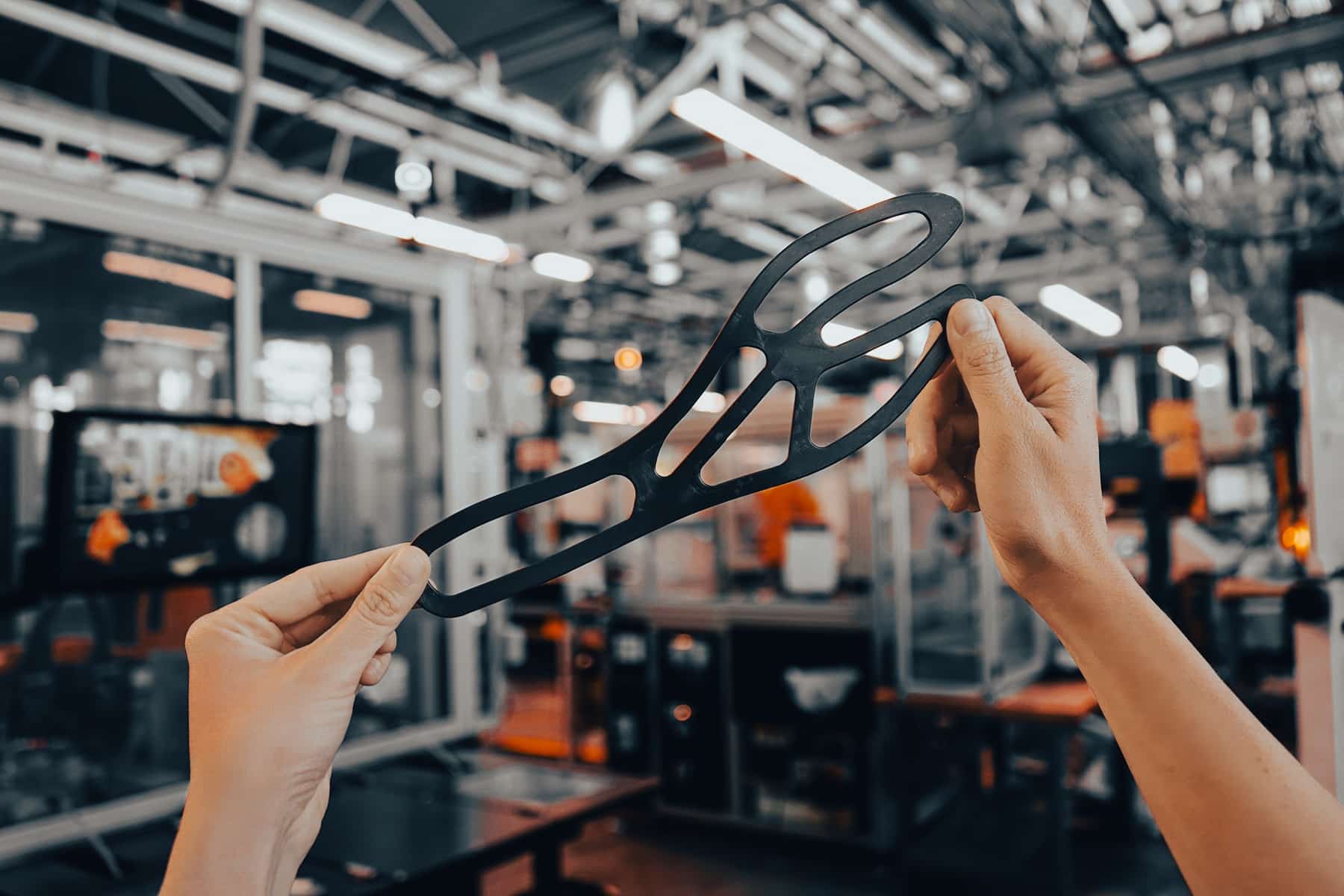
ARRIS technology eliminates that tradeoff. Our Additive Molding process produces continuous fiber-reinforced thermoplastic structures in the United States at prices competitive with Chinese CF laminates — while delivering higher performance, extreme part consolidation, and a faster path from design to volume production. For drone OEMs and government program offices, that means a domestic, allied-aligned supply chain and a unit cost that pencils out at scale.

Engineered to Damp Vibration and Resonance

Every motor and rotor on a drone creates vibration. When a part’s natural frequency matches that vibration, it resonates and amplifies — adding noise to the flight controls, blurring camera and sensor footage, and fatiguing the airframe over time.

ARRIS addresses this in two ways. By controlling how the carbon fiber is placed, we can tune a part’s stiffness to move its natural frequency away from the rotor’s — without adding weight. And our thermoplastic material damps vibration better than traditional epoxy composites, while being tougher and more impact-resistant.
Drone & Defense Examples

1
ARRIS Drone & Government Composites Manufacturing | Drone-Ill

SKYDIO'S LIGHTWEIGHT, DURABLE DRONE STRUCTURE

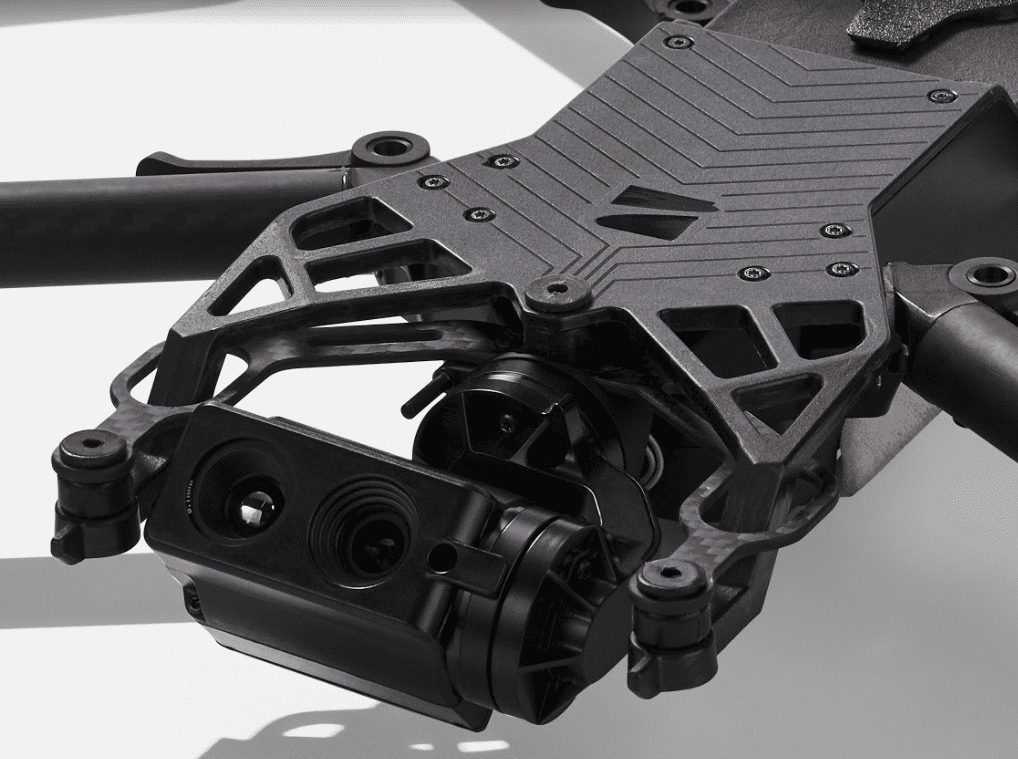
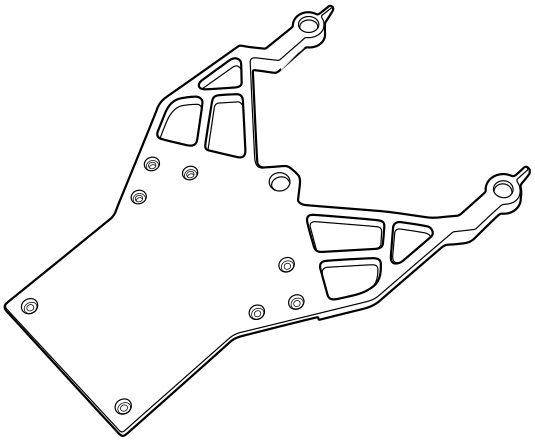
The Skydio X2 Drone takes advantage of ARRIS technology to reduce the weight and complexity and improve flight range and performance. Through their use of Additive Molding™ with a combination of glass and carbon fiber materials, Skydio replaced 17 individually assembled parts with a single, integrated, robust structure. This more elegant design and manufacturing solution localized and compressed their supply chain.

Related Posts

ARRIS Awarded AFWERX Contract to Advance High-Rate Thermoplastic Composite Manufacturing for Air Force Platforms
More Details
>
Skydio and ARRIS Revolutionize Drone Design and Manufacturing
More Details
>
Selected By U.S. Army For Research Study On Advanced Continuous Fiber Composite Insoles In Military Boots
More Details
>